

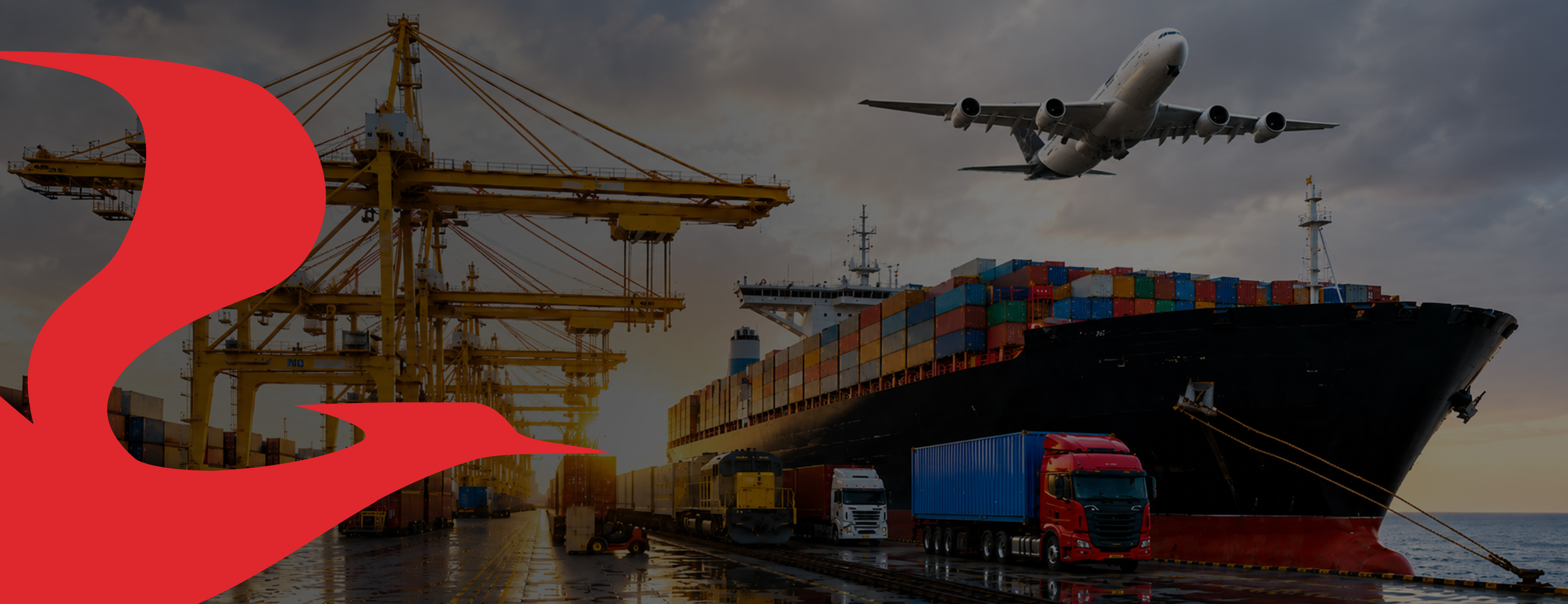

130 Years of Global
Logistics Excellence
Delivering trust, precision, and care across
borders, industries, and generations.
Among India's First
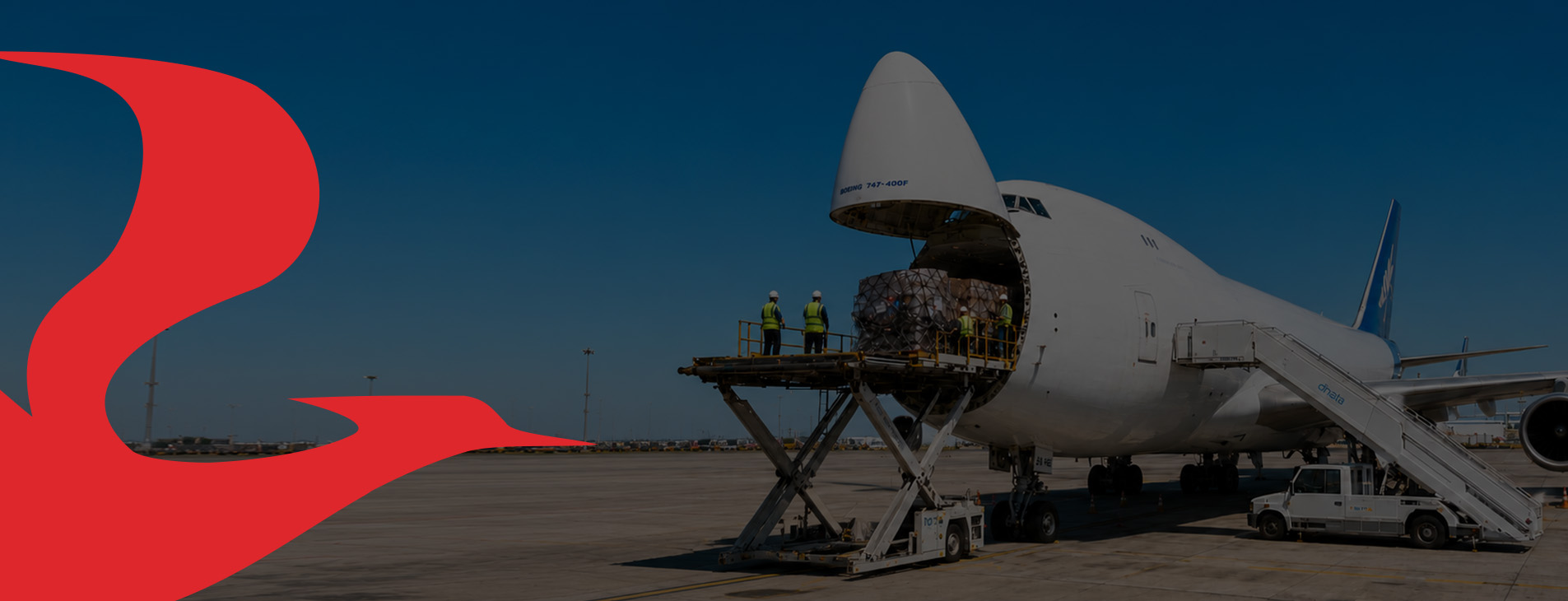
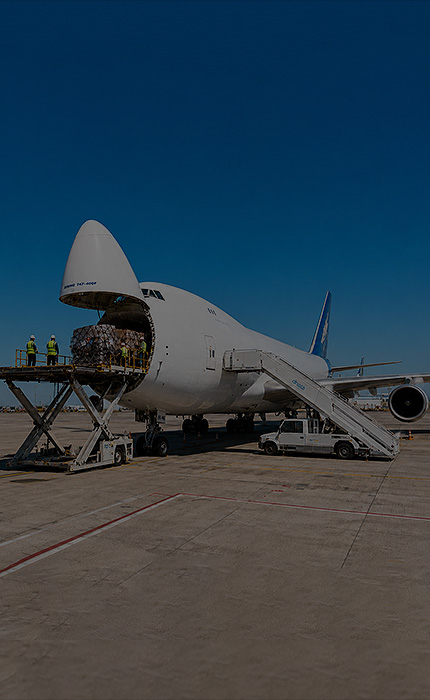
IATA-Approved Cargo Agents
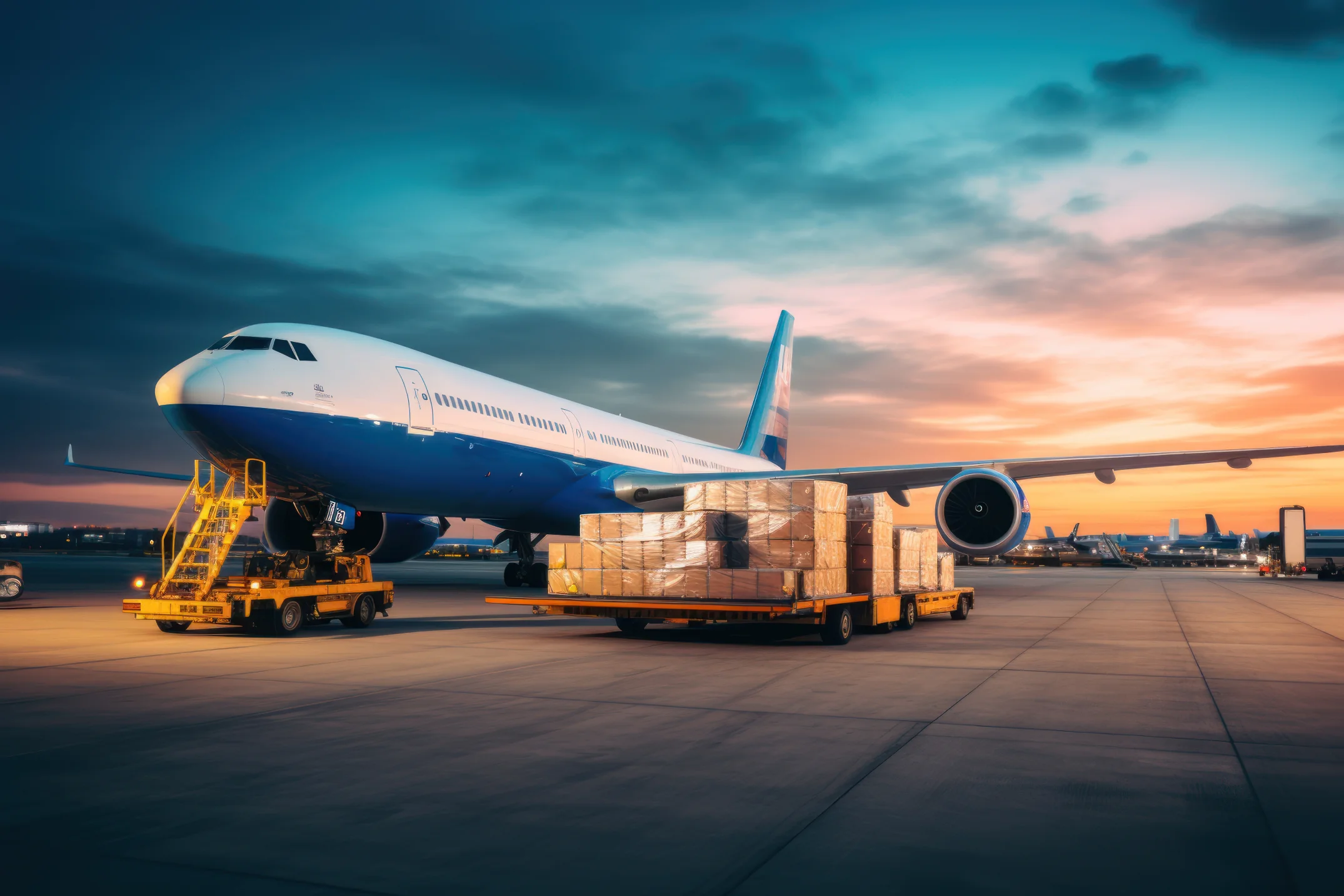
Trusted since 1949, we deliver seamless air freight
solutions through global airline partnerships
& decades of logistics expertise.
From Origin to
Destination, Seamlessly.
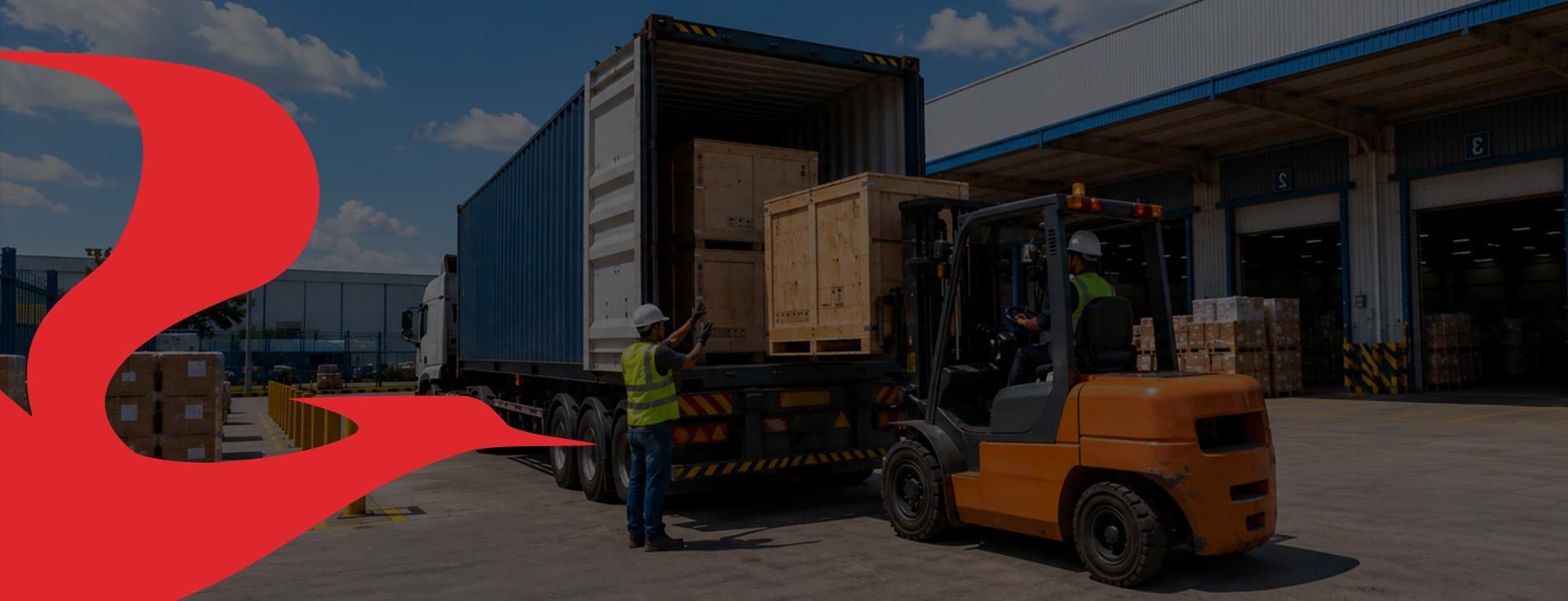
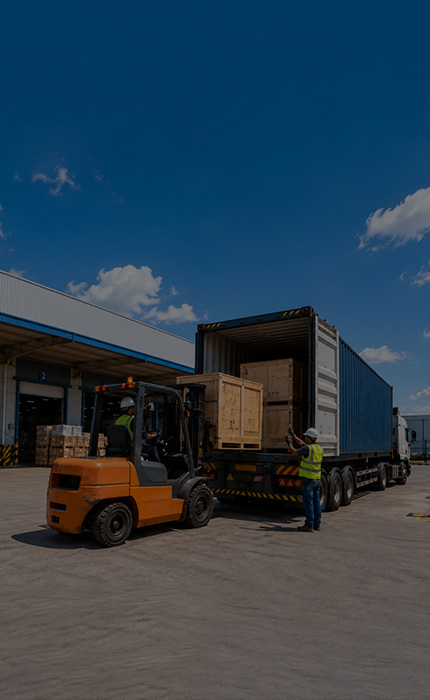
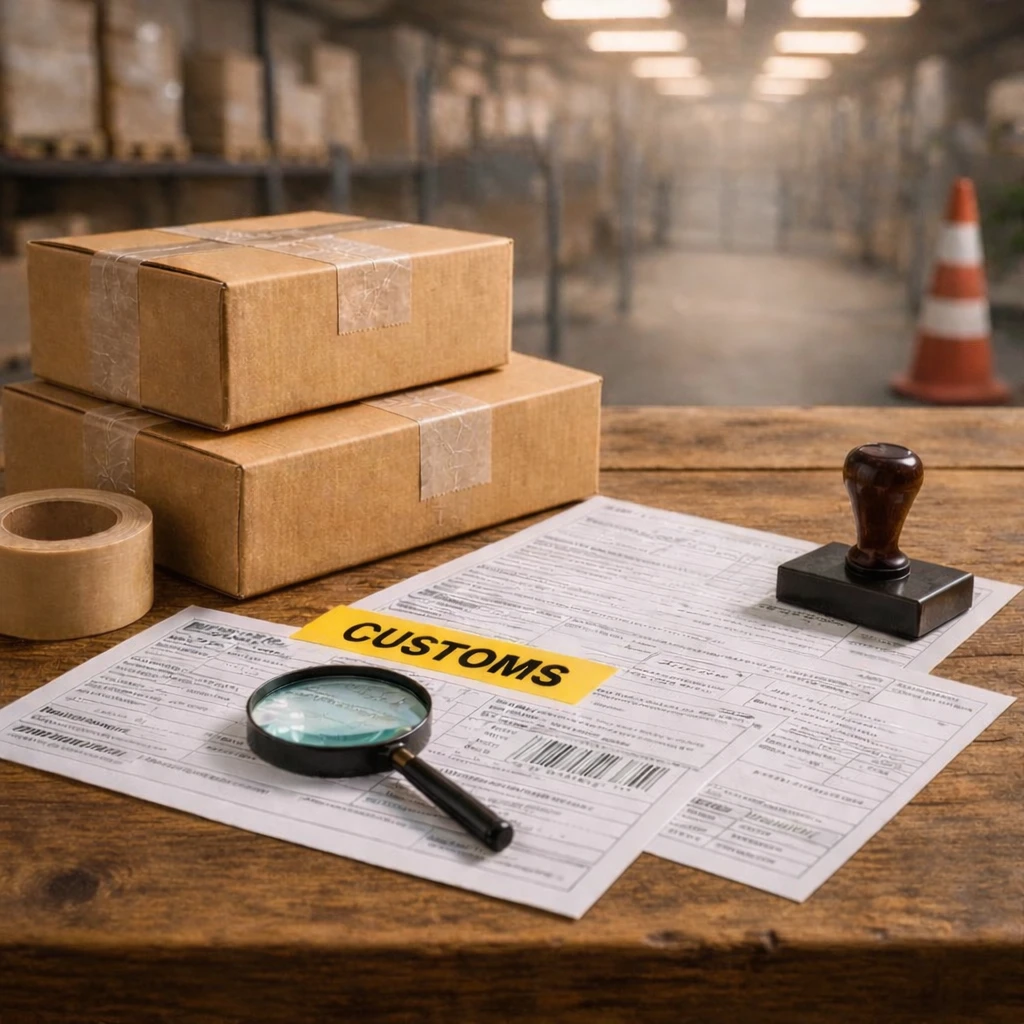
Simplifying global logistics by managing pickup,
freight, customs clearance, and final delivery
under one trusted partner.
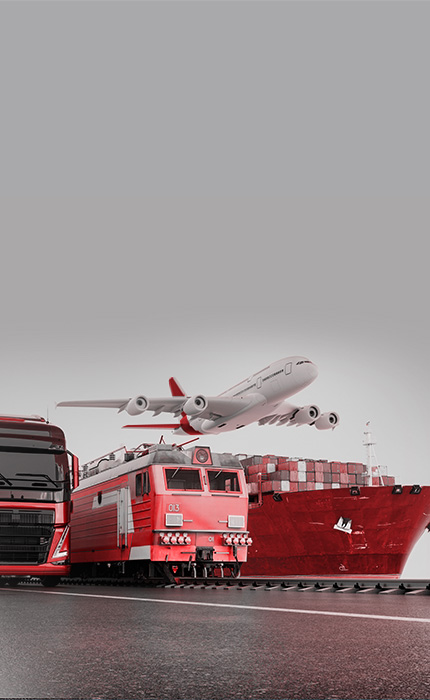
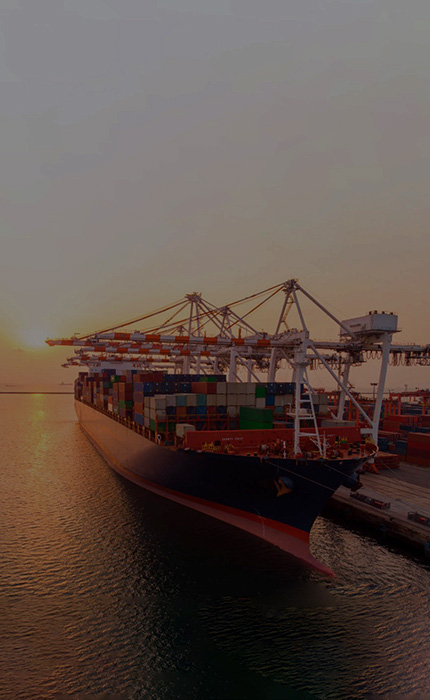
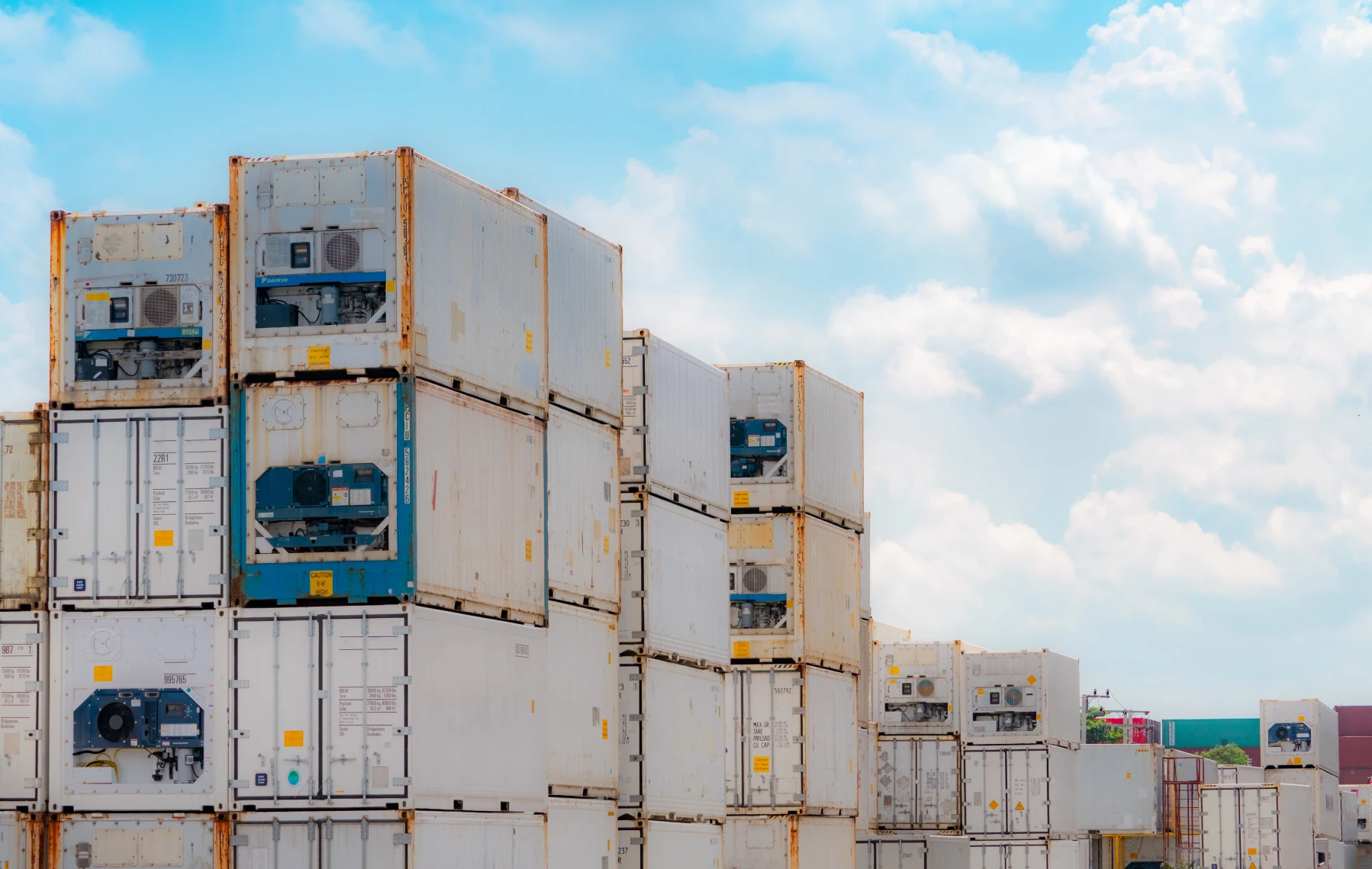
Ocean Logistics Backed
by a Global Network
Reliable freight forwarding through trusted carrier partnerships,
extensive global coverage, and real logistics expertise that keeps
your supply chain moving.
Looking for a logistics partner you can trust? Partner with us.

0
YEARS OF EXPERIENCE

0
GLOBAL ALLIANCES

0
OFFICES & ALLIANCES

0
PLUS QUALIFIED STAFF
Certifications





Our Services
Comprehensive logistics solutions designed to move industries forward












Why TKPL?
Tulsidas Khimji Pvt. Ltd. (TKPL) is a distinguished name in global logistics, blending heritage, expertise, and innovation to deliver seamless supply chain solutions worldwide. Founded in 1895 by Shri Tulsidas Khimji, the company began its journey with a single table in a bank, handling cotton consignments with honesty and dedication.
130+ Years of Legacy in Global Logistics
End-to-End Multimodal Solutions
Compliance-Driven & Safety-Focused
Global Network with Local Strength
Trusted by Leading Businesses Across Sectors
Industries we serve
Aerospace

Art and Valuables
Automotive
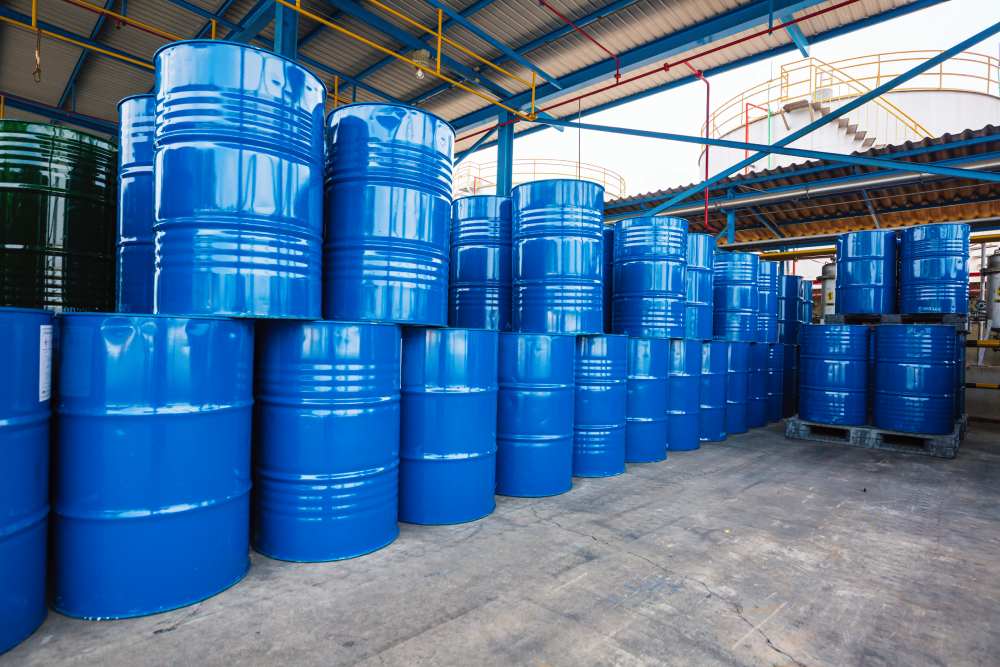
Chemicals

Consumer and Retailer

Fashion

Hi-Tech

Hotel Logistics

Industrial and Engineering

Marine Logistics

Oil and Gas

Pharma

Telecommunication

Real-Life Case Study
Time-Critical Domestic Movement of Engineering & Automotive Components
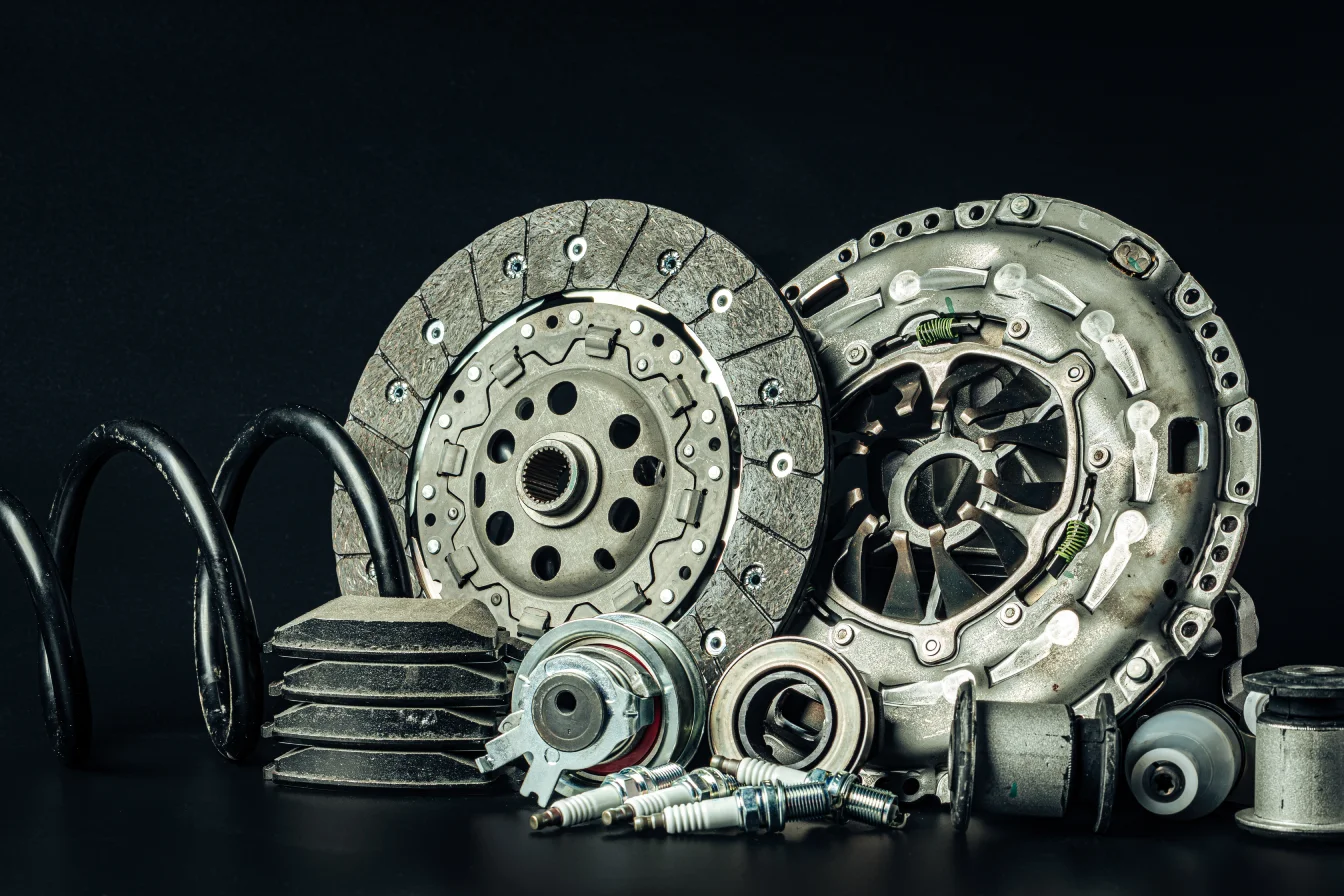
TKPL regularly manages the domestic transportation of high-value engineering goods and automotive spare parts across India. The operation supports manufacturing plants, service centres, and distribution hubs through a strategic combination of road, rail, and priority air freight solutions. Air freight is specifically utilised for AOG (Aircraft on Ground) and emergency automotive shipments requiring immediate attention. Through specialised handling, secure packaging, hub-to-hub coordination, and real-time tracking, TKPL ensures shipment integrity, visibility, and uninterrupted operational continuity.
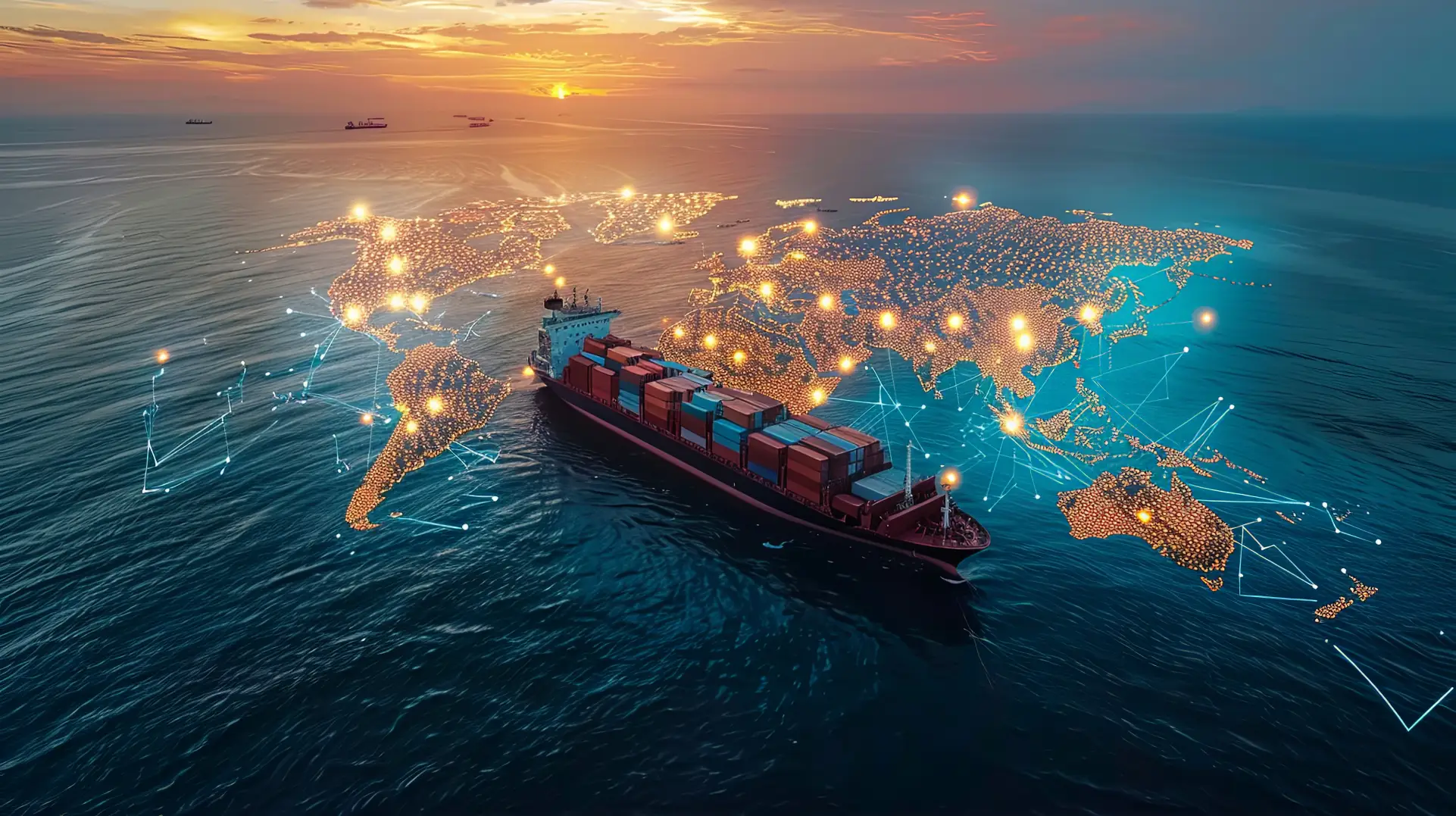
Real-Life Case Study
Cross-Border Chemical Transportation from Asia to Africa
TKPL successfully executed the movement of hazardous and non-hazardous chemical cargo from South Korea and China to multiple destinations across Africa. The shipment included Class 6.1 adhesive cargo from South Korea and mixed hazardous and non-hazardous chemicals, including Class 3 cargo, from China. The project required specialised handling, strict adherence to international dangerous goods regulations, and coordination across multiple jurisdictions and stakeholders. Through effective planning and compliance management, TKPL ensured safe, efficient, and timely transportation across complex trade routes.
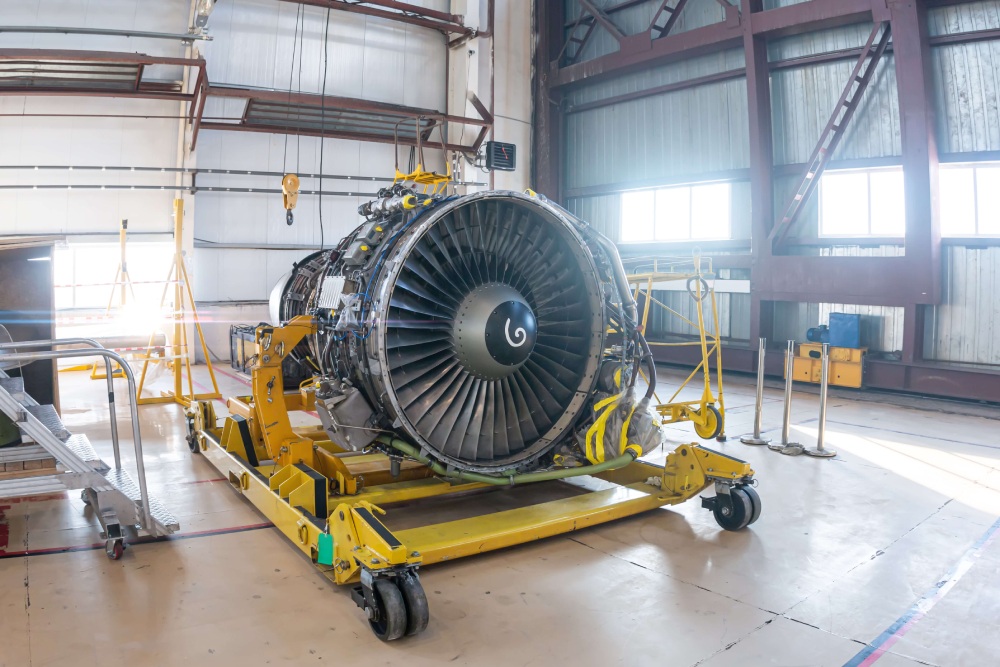
Real-Life Case Study
Aircraft Engine Movement – Singapore to New York (Air India)
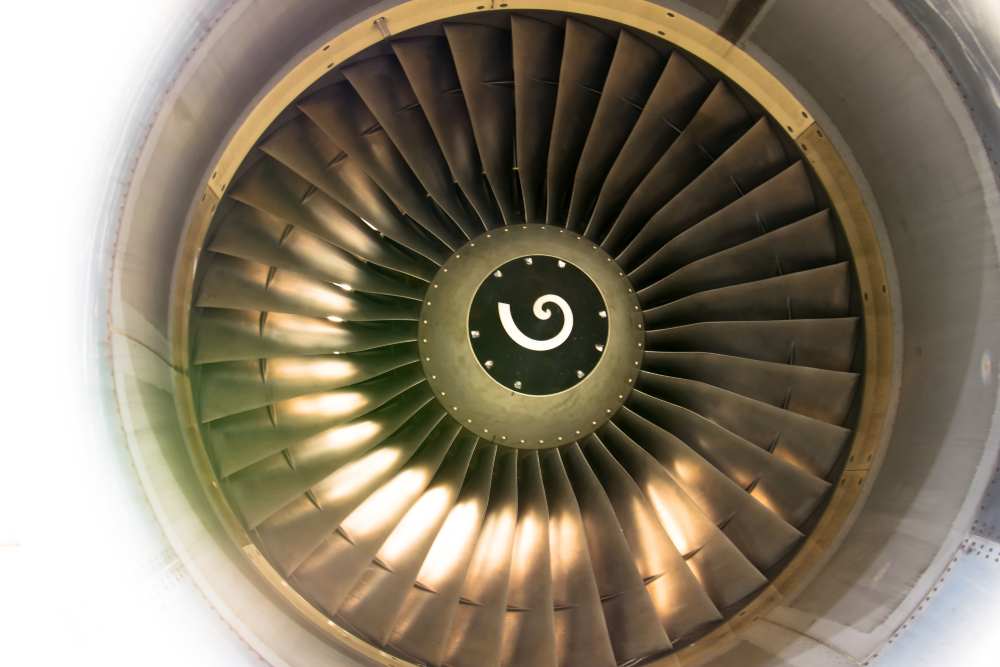
TKPL successfully managed the urgent air transportation of a complete aircraft engine from Singapore to New York for Air India. The movement involved specialised handling, strict timelines, coordination with multiple overseas agents, airline approvals, and real-time shipment monitoring to ensure seamless delivery without operational delays.
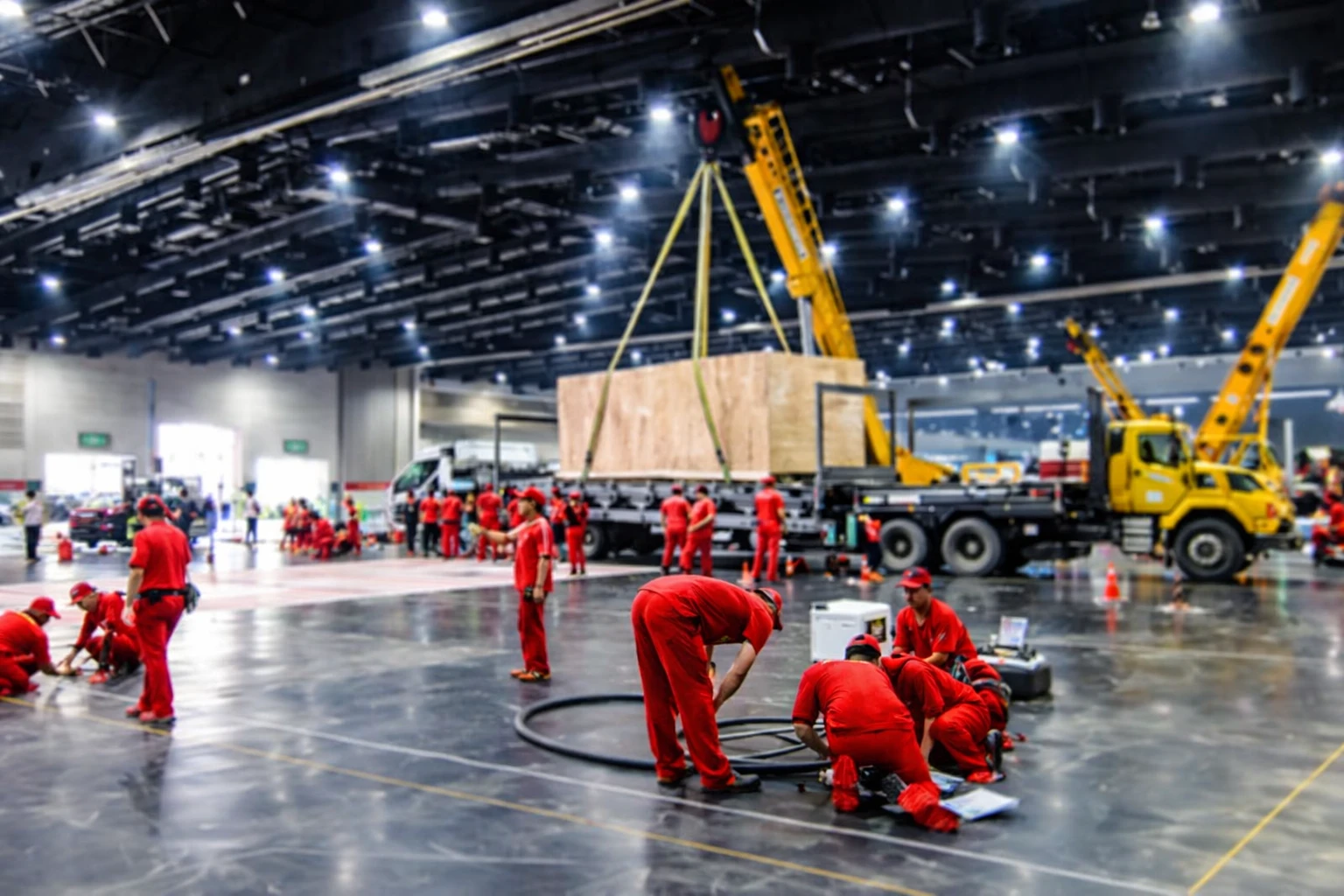
Real-Life Case Study
Temperature-Controlled Perishable Cargo Movement
TKPL successfully managed the air transportation of perishable food cargo while maintaining strict temperature control and product integrity throughout transit. The shipment utilised priority airline bookings and a specialised Envirotainer (AKE Container) arranged on a contractual rental basis. Dry ice packaging was used to maintain required temperature ranges, while Duracell battery-powered monitoring systems enabled continuous temperature tracking throughout the journey. Through specialised equipment, carrier coordination, and real-time monitoring, TKPL delivered a safe and compliant cold-chain logistics solution.
Real-Life Case Study
Global Movement of Propane via ISO Tank Containers
TKPL manages the international import and export movement of propane through ISO tank containers across multiple locations in India. Due to the hazardous nature of propane (IMO Class 2.1 – Flammable Gas), each shipment requires strict compliance with IMDG regulations, pre-shipment inspections, certification checks, proper labelling, and documentation protocols. TKPL coordinates inland transportation, port handling, customs clearance, and ocean freight execution while working closely with shipping lines and terminal operators to ensure safe, compliant, and efficient transportation throughout the shipment lifecycle.

Real-Life Case Study
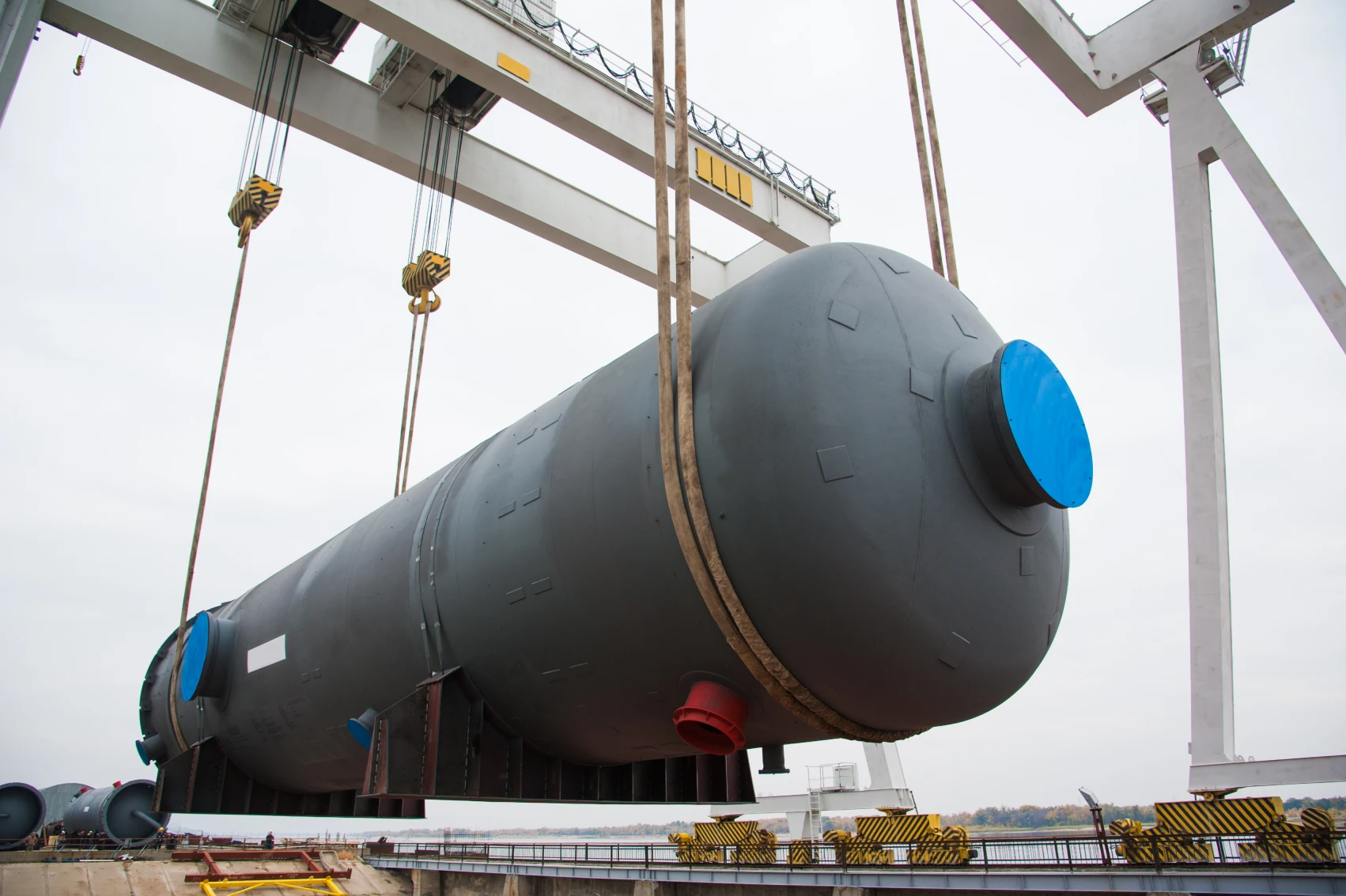
Generator Transformers for Europe & Africa Power Projects
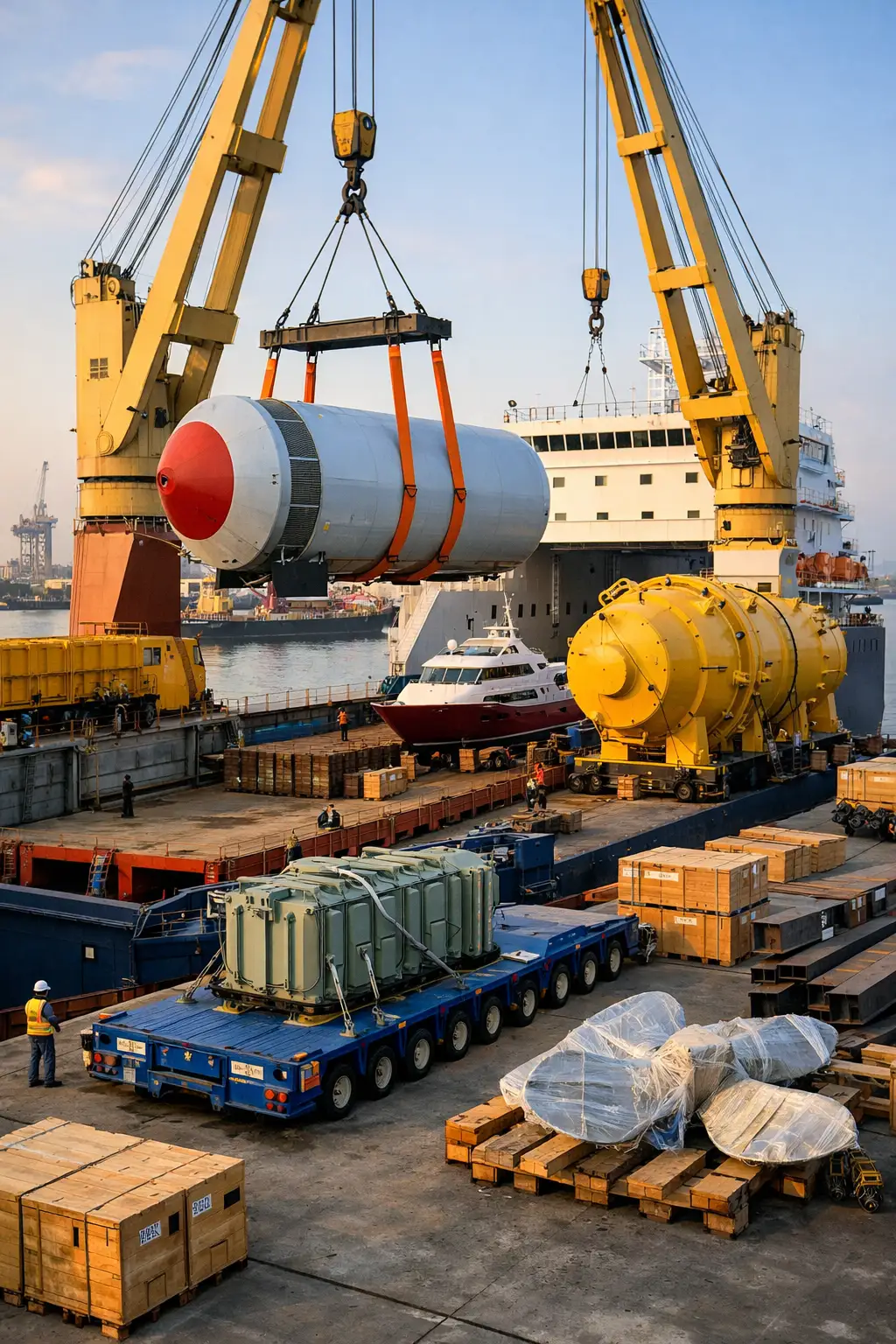
TKPL successfully managed the transportation of extra-high voltage generator transformers ranging from 200 MVA to 250 MVA, manufactured in India for short-circuit testing in Europe and final deployment to power generation projects in Africa. As some of the largest, highest-value, and most technically sensitive cargoes in the power sector, the project required specialised planning, heavy-lift handling, breakbulk transportation, and meticulous coordination. Through precise execution and end-to-end project management, TKPL ensured the safe and efficient movement of these critical assets.
Real-Life Case Study
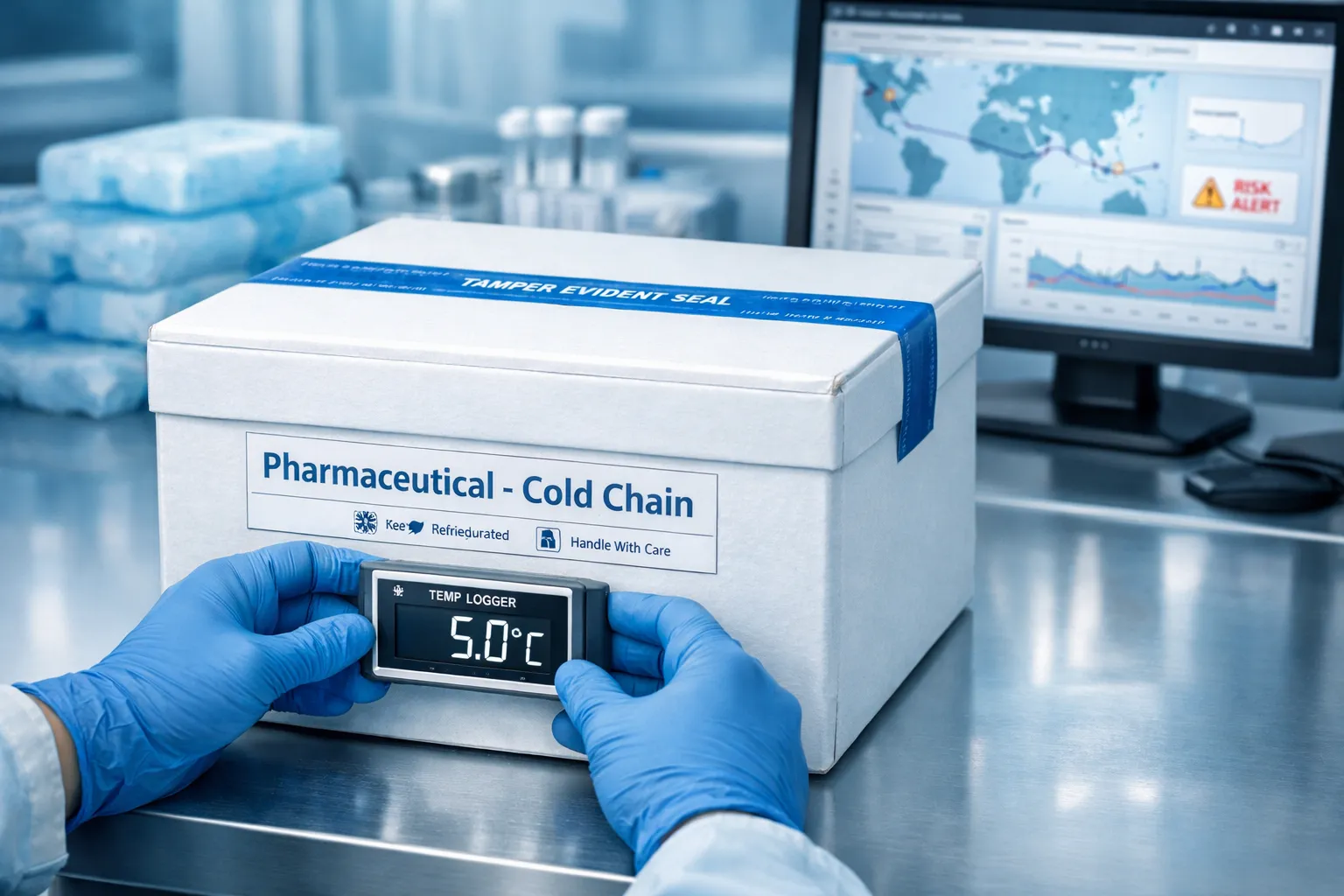
Pharmaceutical Movement from India to Poland & Ukraine
TKPL successfully managed the temperature-controlled movement of pharmaceutical products for an Indian manufacturer across multiple international corridors. The project involved exports from Indian ports using reefer containers via sea freight and temperature-controlled air freight solutions to Poland for time-sensitive consignments. Strict cold chain protocols, specialised handling, and continuous temperature monitoring were maintained throughout transit. Upon arrival in Poland, TKPL coordinated cross-border road transportation into Ukraine while maintaining temperature compliance and ensuring seamless last-mile delivery despite complex regional logistics challenges.
Real-Life Case Study
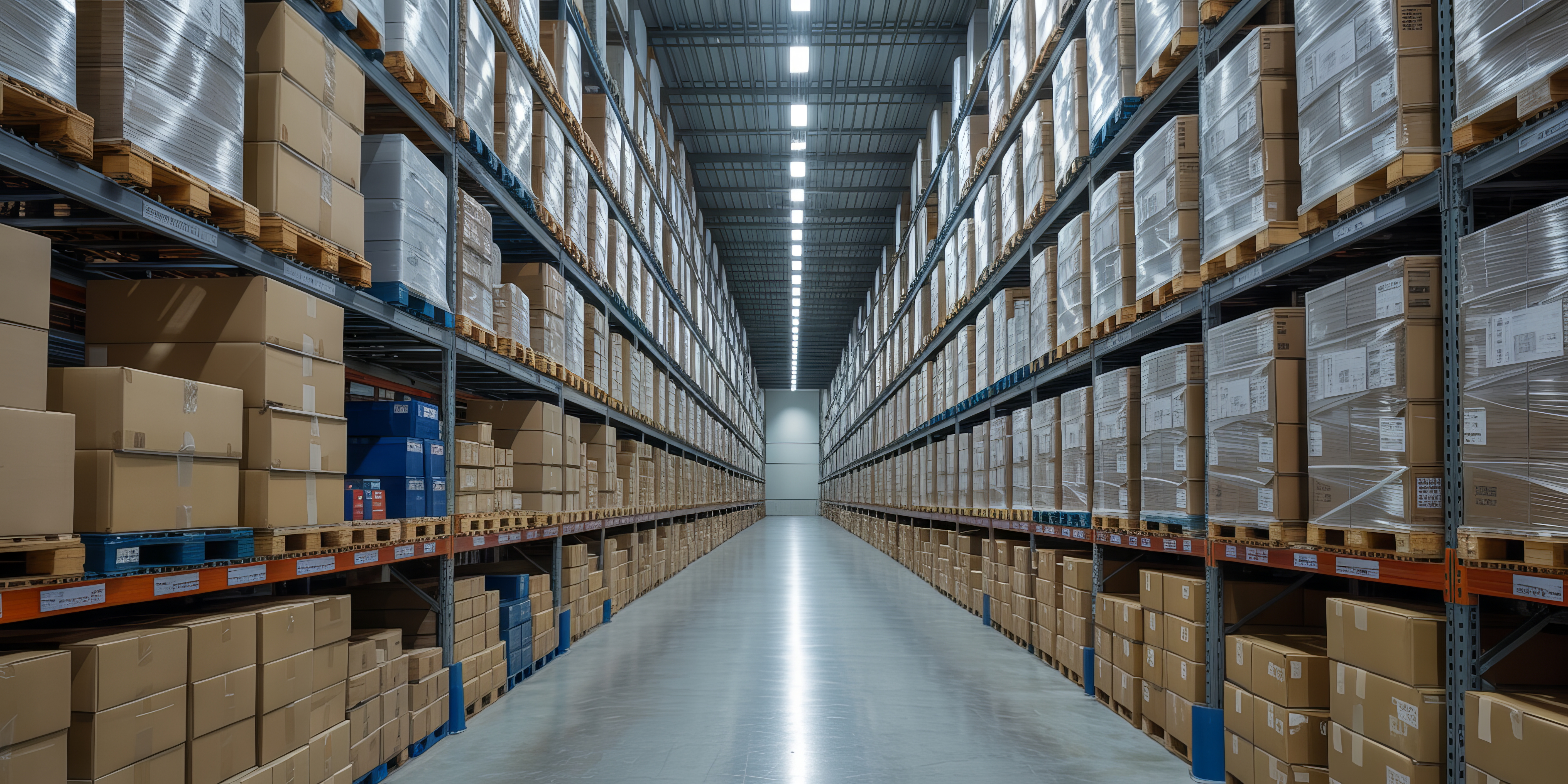
Dedicated Warehousing for High-Value Event & Audio Equipment
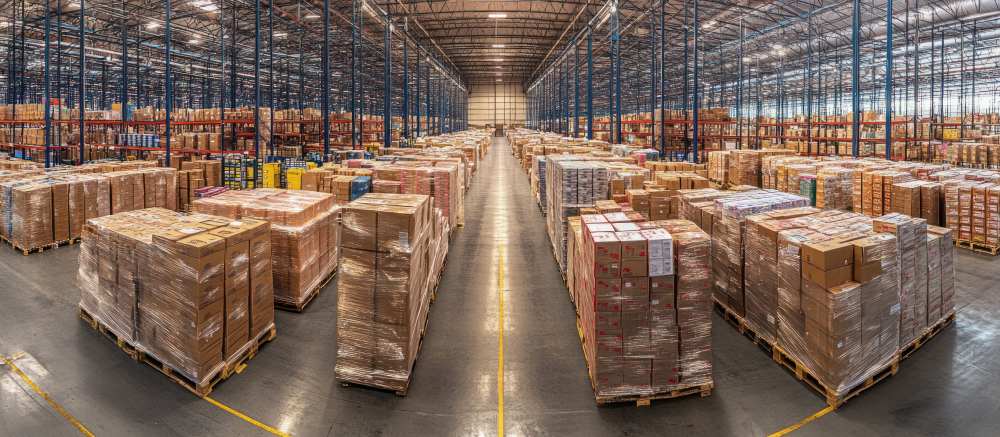
TKPL provides a dedicated warehousing facility for a client specialising in premium sound and event equipment used in concerts, corporate events, and large-scale productions. The warehouse exclusively stores high-value assets including subwoofers, stage monitors, system processors, digital consoles, amplifiers, DJ equipment, and stage racks. While the client manages daily operations independently, TKPL provides secure infrastructure, facility management, and specialised storage solutions designed to protect sensitive and performance-critical equipment.
Real-Life Case Study
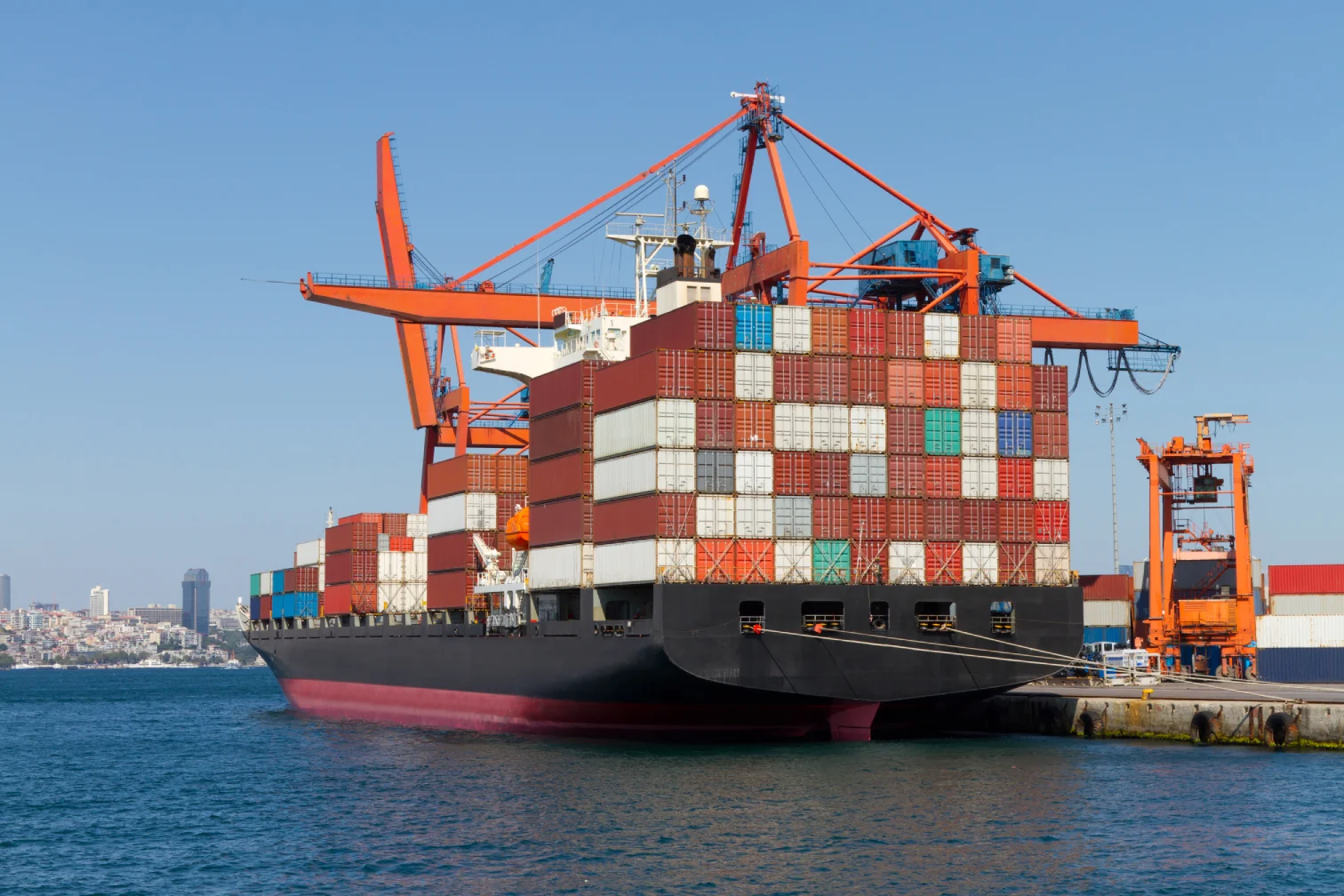
Secure Bullion & Currency Movement to London
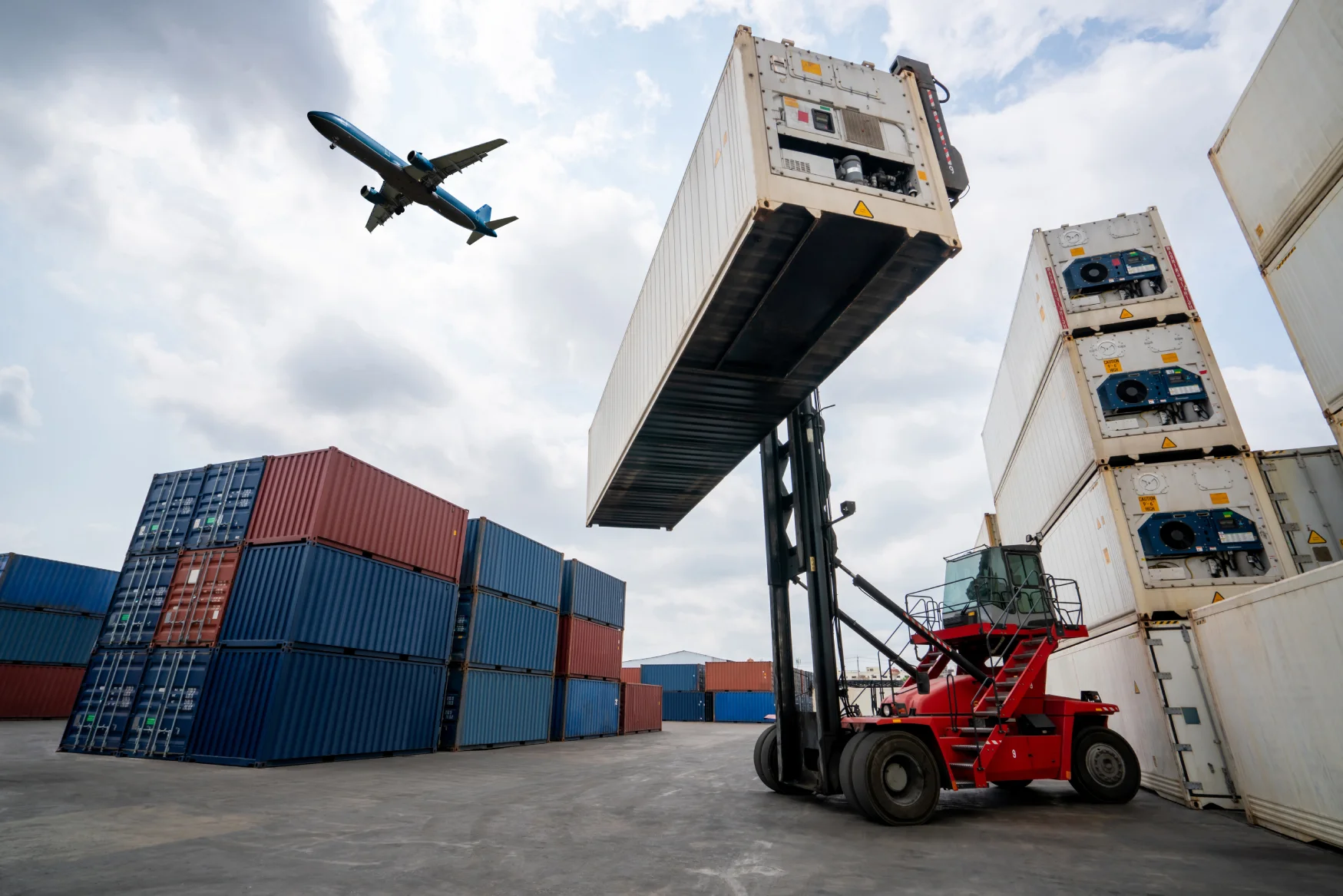
TKPL successfully managed the customs clearance and international movement of high-value bullion and currency shipments for leading financial institutions and banks. The operation included the export of silver bars via sea freight from Nhava Sheva to London and time-sensitive currency shipments via air freight from Gujarat to London. Given the sensitive nature of the cargo, shipments were executed under enhanced security measures and strict regulatory compliance. Close coordination with authorised agencies, carriers, and banking institutions ensured transparency, risk mitigation, and secure delivery.
Real-Life Case Study
Multi-Origin Sports Equipment Import
TKPL successfully managed the end-to-end import of sports equipment sourced from multiple suppliers across Germany and China for delivery in India. The project included supplier pickups, international freight coordination, customs clearance, and last-mile transportation. Working closely with overseas suppliers, carriers, and local handling agents, TKPL ensured timely cargo readiness, accurate documentation, smooth customs processing, and seamless supply chain integration. The project highlights TKPL’s ability to deliver complete door-to-door logistics solutions across multiple origins and stakeholders.
Real-Life Case Study
Radioactive Empty Containers from India to Germany
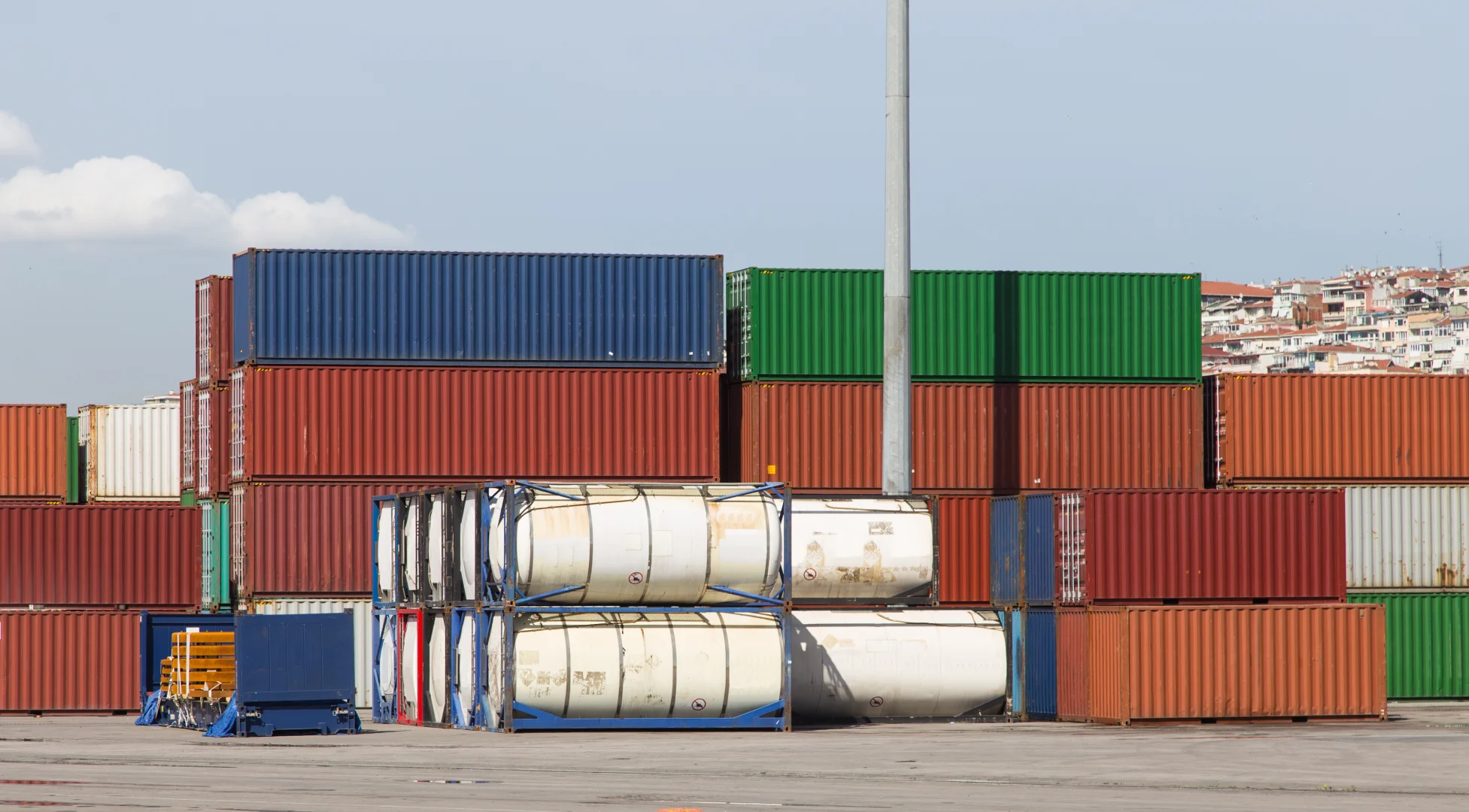
TKPL successfully managed the international movement of radioactive empty containers (UN2908 – Excepted Packages) from India to Germany. Transported by air from Mumbai to Berlin, the shipment required specialised documentation, regulatory approvals, and strict adherence to IATA Dangerous Goods Regulations. Although empty, the containers remained classified as hazardous due to prior radioactive use, requiring careful handling, labelling, certification, and compliance procedures. Through meticulous planning and execution, TKPL ensured safe, compliant, and seamless transportation.
Real-Life Case Study
Breakbulk Import & End-to-End Delivery of Commercial Vehicle
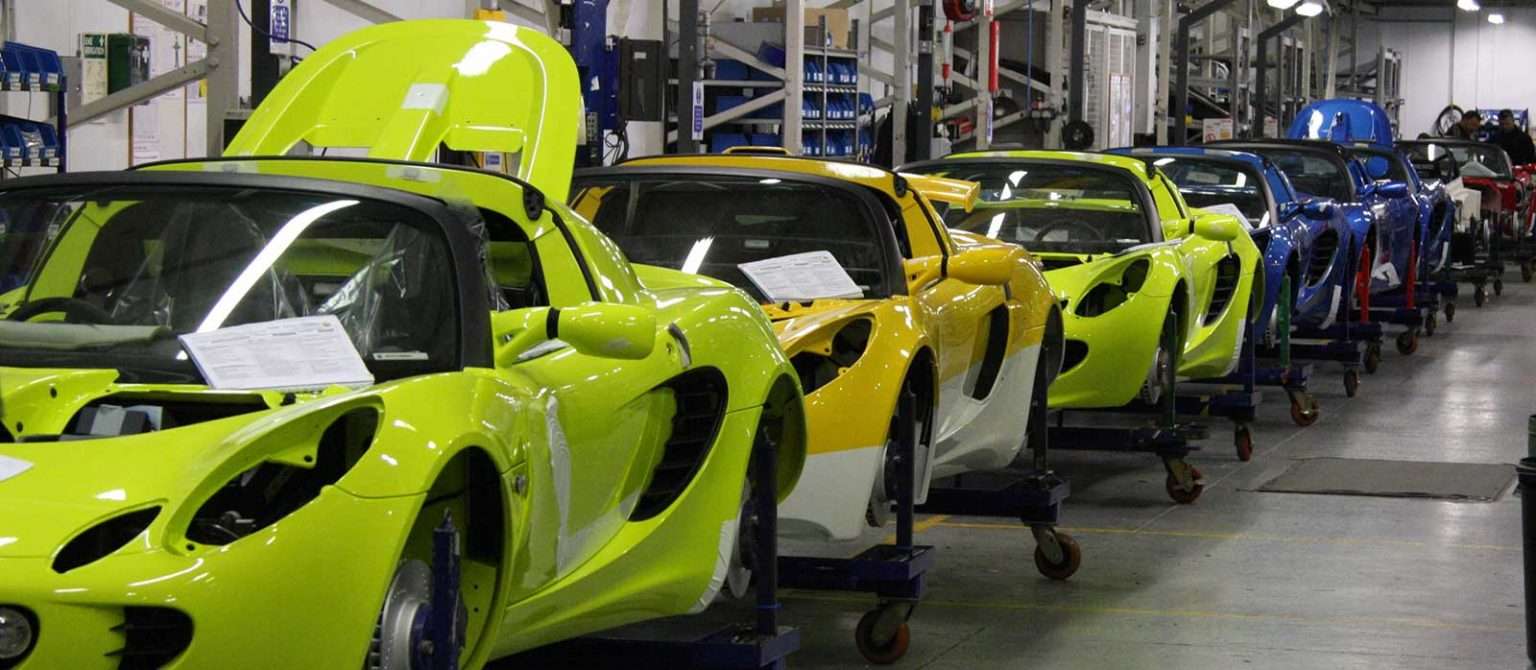
TKPL successfully executed a turnkey automotive logistics project involving the import of a commercial vehicle from Belgium to India as breakbulk cargo. The shipment was handled at Mumbai Port under strict supervision, followed by customs clearance and specialised road transportation to the client’s warehouse. The project required detailed route assessments, handling protocols, and coordination with port and transport authorities to ensure safe and damage-free movement. Through complete end-to-end management, TKPL delivered a seamless and compliant logistics solution.
Real-Life Case Study
International Movement of Captive-Bred Wildlife
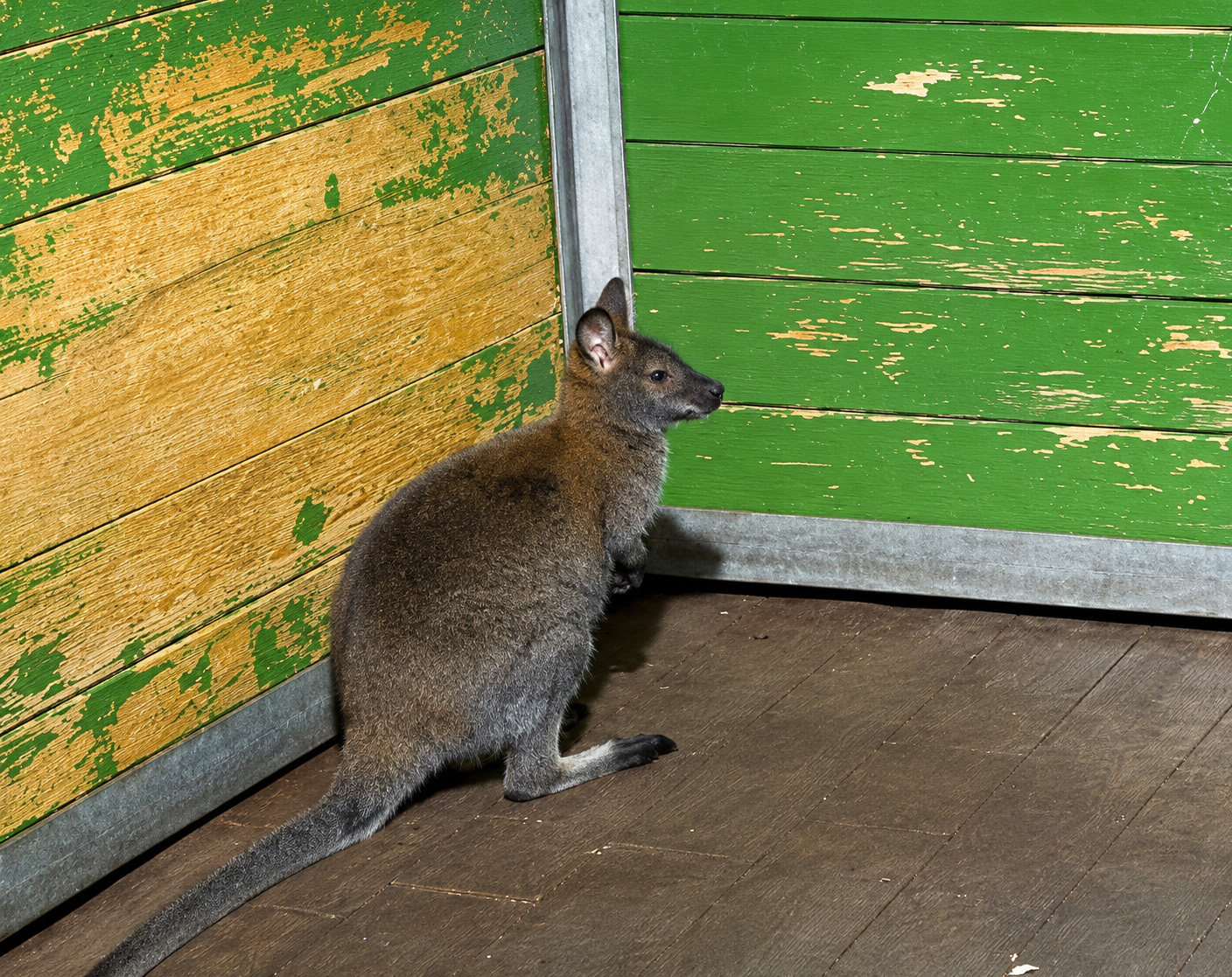
TKPL successfully executed the highly sensitive international transfer of captive-bred wildlife, one of the most compliance-intensive segments in global logistics. Conducted in accordance with IATA Live Animals Regulations (LAR), the project included imports of Red-Necked Wallabies, African Caracals, Blue-and-Yellow Macaws, Scarlet Macaws, and Green Peafowl into India, alongside the export of Asiatic Lions to Europe as part of a conservation-driven exchange programme. Extensive coordination with wildlife authorities, zoological institutions, veterinary teams, and airline partners ensured safe, humane, and fully compliant transportation.

Real-Life Case Study
Cargo Protection for International Shipments
TKPL has supported clients in securing appropriate insurance coverage for international shipments involving multiple modes of transport. By aligning coverage with shipment value, routing, and risk exposure, we ensured that cargo remained financially protected throughout its journey. In cases of unforeseen incidents, our team coordinated closely with insurers to support smooth and timely claims processing.
Real-Life Case Study
36-Hour India–USA Critical Industrial Shipment
TKPL executed a highly time-sensitive shipment for a leading global manufacturer of industrial compressors and compressed air systems. Originating from Gujarat, the cargo required urgent delivery to the customer’s production facility in the USA. TKPL designed a seamless multimodal solution involving factory pickup, dedicated trucking to Mumbai Airport, export handling, customs coordination, premium air freight, international connectivity, import clearance, and final factory delivery. The entire shipment was completed within just 36 hours from pickup in Gujarat to delivery in the United States, demonstrating exceptional speed, planning, and execution capability.

Real-Life Case Study
Dedicated 3PL/4PL Warehousing & Global Distribution Solution
TKPL successfully designed and managed a dedicated warehousing and distribution solution as an integrated 3PL/4PL partner. A dedicated warehouse facility was exclusively operated for the storage of electrical equipment, heavy engineering materials, and critical spare parts sourced from across India. The operation included inbound logistics, inventory management, stock accuracy, batch control, SKU management, specialised storage planning, and secure handling protocols. Acting as a 4PL partner, TKPL managed the complete supply chain and supported exports to the USA, UK, Far East, and Middle East.